OpenAI's specialized models are becoming product surfaces
GPT Image 2, GPT Realtime, and GPT-Rosalind point to the same shift: OpenAI is splitting frontier capability into specialized surfaces that fit real work.
Summary
GPT Image 2, GPT Realtime, and GPT-Rosalind are more important together than they are separately. The shared signal is that OpenAI is splitting frontier capability away from a single flagship-model narrative and into specialized product surfaces. Image models are being aimed at deliverable visual assets. Realtime models are being aimed at live interfaces that can maintain state and call tools. Rosalind is being aimed at scientific workflows where evidence and judgment matter more than fluent explanation.
That matters because real work is rarely organized around model families. A design team cares about text rendering, layout, brand constraints, and local editing. A voice product cares about latency, interruptions, confirmations, and action boundaries. A research organization cares about provenance, data handling, experimental context, and evaluation discipline. OpenAI’s specialized surfaces are a recognition that a generic chat box cannot carry all of those needs.
For builders, the product lesson is direct: model capability is becoming only one part of the offer. The surface that packages the capability, defines the allowed actions, stores the artifact, and sets the review path is becoming the product. Once that happens, competing with OpenAI by wrapping a general model in a thin interface becomes harder.
What happened
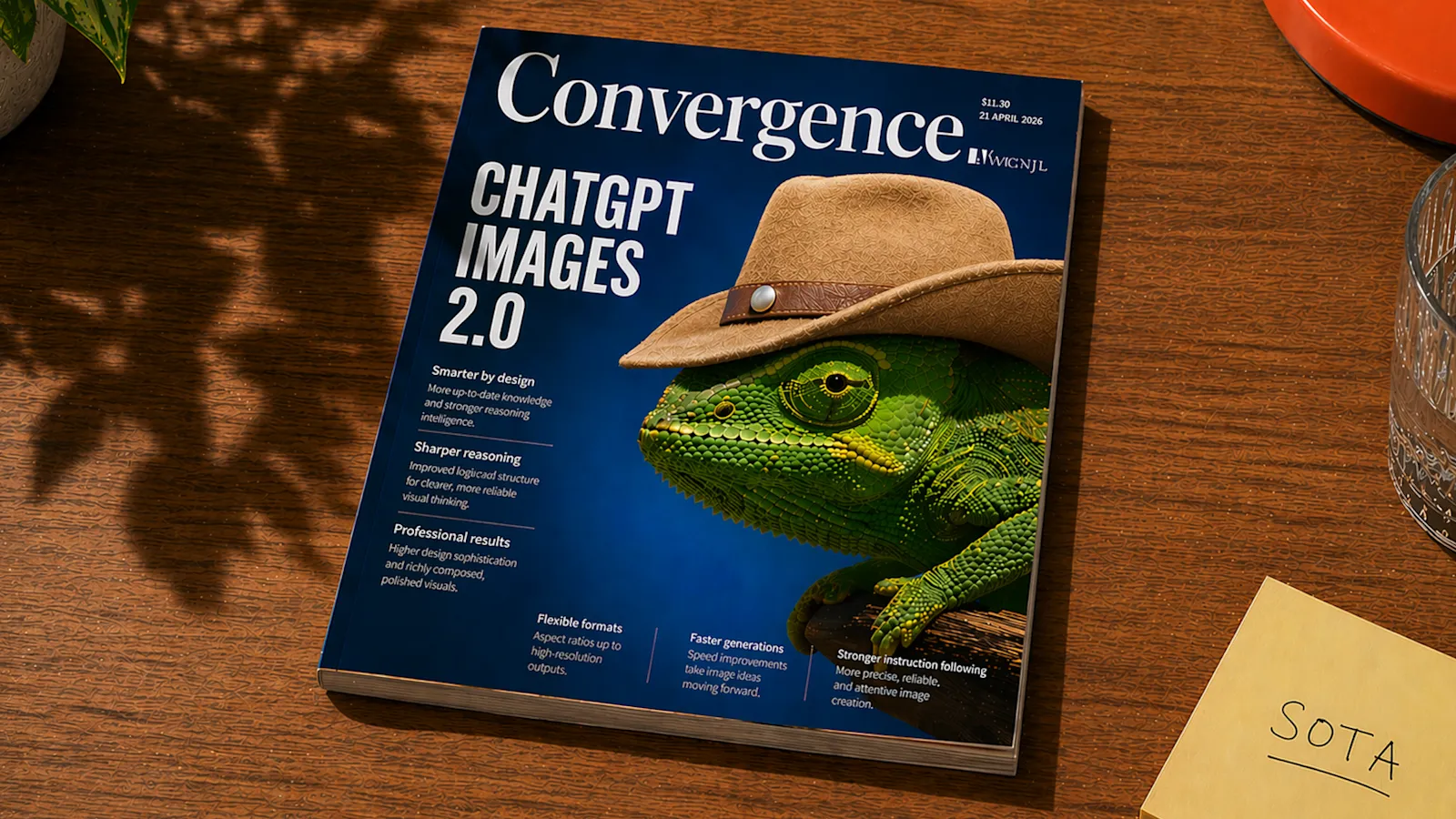
OpenAI has pushed image generation into GPT Image 2 and ChatGPT Images 2.0 style workflows where the emphasis is closer to production assets than casual image creation. The official materials point toward readable text, layout, transparent backgrounds, editing, infographics, posters, product mockups, and classroom visuals. That surface is built for design, marketing, education, and prototyping work where the output has to communicate, not merely look attractive.
The Realtime API pushes a different surface: low-latency audio and live interaction. The docs organize the capability around realtime sessions, audio input and output, transcription, interruptions, and tool use. That is a product claim about interface, not just speech synthesis. A model that sounds good is useful; a system that can listen, manage state, confirm actions, and operate tools during a live exchange is strategically different.
GPT-Rosalind is a third surface. It is aimed at life-science research and scientific evaluation, where the value depends on evidence handling, analysis, design and optimization, scientific reasoning, validation, operations, and translation of findings. This surface does not win by being another friendly chatbot. It has to enter institutional research work and leave behind auditable judgment.
Why it matters
The three surfaces point to a larger strategy: OpenAI is trying to sell the default AI surface for a category of work. That is more durable than selling a raw model endpoint. An API call can be swapped, and a chat model can be compared, but once a team builds visual production, voice operations, or scientific review around a specialized surface, switching becomes a workflow decision rather than a model decision.
This is a warning for application companies. A thin product that says “we use the best model for design” or “we add voice to your app” can be absorbed by the platform as soon as the platform ships a native surface. The remaining opportunity is deeper workflow ownership: brand asset governance, support QA, lab data integration, regulatory traceability, domain-specific evaluation, and organizational memory. The closer the product gets to the real constraints of the work, the harder it is to replace with a model name.
It also changes the user experience of frontier AI. A scientist should not need to learn prompt craft before asking for evidence review. A designer should not need to describe every local edit through a long chat. A voice user should not have to listen to the system narrate its uncertainty when what they need is a clean confirmation. Specialized surfaces absorb this complexity into the product shape, which is how frontier models become daily tools.
Builder impact
Builders should choose the surface before choosing the model. Are you serving visual assets, realtime voice, scientific evidence, financial planning, or enterprise knowledge work? Each surface demands different inputs, outputs, permissions, correction paths, and validation. Putting every use case inside the same chat interface feels simple, but it erases the controls that make each use case trustworthy.
The product should turn model work into reviewable artifacts. An image surface should store prompts, references, versions, and text checks. A voice surface should store transcripts, confirmations, tool calls, and final action summaries. A scientific surface should store sources, assumptions, analysis steps, failed paths, and counterevidence. The answer itself is not the asset. The structure around the answer is the asset.
Commercially, “supports GPT Image 2” or “uses GPT Realtime” is not a moat. If OpenAI owns the default surface for the same workflow, external products need to prove they have better process control, stronger data integration, more credible review, or a narrower domain advantage. Otherwise users will do the job on the native surface.
What to ignore
Ignore the idea that specialized models mean OpenAI is abandoning general models. The better reading is that the general model provides the capability base, while the specialized surface makes it usable, governable, and purchasable. The base sets the ceiling; the surface sets adoption.
Also ignore the model name as the source of defensibility. GPT Image 2, GPT Realtime, and GPT-Rosalind matter because each is tied to a different work context. Without context, permissions, artifact handling, and evaluation, a specialized model collapses back into a capability list.
Finally, ignore launch demos as the main proof. The real test is whether these surfaces work in production: whether images can be revised without drift, voice can take action safely, and scientific systems can state limits when evidence is weak. That is where the frontier is, not in a louder naming scheme.